Hey there! If you’ve ever tried to snap a photo of a stunning jewel diamond ring only to find it looks like a dull, blurry mess on your screen, you are definitely not alone. Jewelry photography is arguably one of the toughest niches in the creative world. We’re dealing with tiny subjects, extreme magnification, and surfaces that act like little mirrors reflecting everything—including you.
In this guide, I’m going to walk you through the secrets Jewel Photo editing professionals use to bridge the gap between “decent” photos and the high-end luxury imagery that actually sells. Whether you’re a gemologist documenting a rare inclusion or an e-commerce owner looking to boost conversions, mastering jewelry photo retouching is your ticket to success. And if this all feels a bit overwhelming, don’t worry—brands like outsourceimage are ready to step in and handle the pixel-perfect heavy lifting for you.
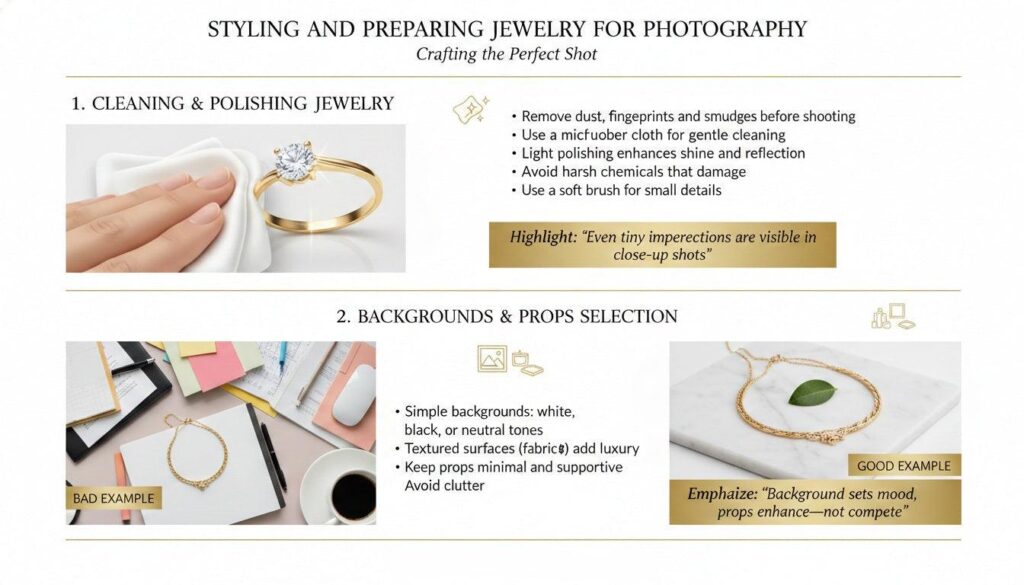
2. The Commercial Power of the Perfect jewel Sparkle – jewelry
Let’s be real: in the jewelry business, looks are everything. When a customer can’t reach out and touch a necklace, your photo has to do all the talking.
Why High-Quality Imagery Is Non-Negotiable-jewelry
Professional retouching isn’t just about making things look “pretty”; it’s about building brand trust. A polished, consistent image tells the customer that your craftsmanship is just as refined as your photography. On the flip side, poor lighting or distracting reflections can make even the most expensive gold look cheap.
Driving Conversions in a 2026 Market – jewelry
By 2026, the market has shifted toward multi-asset content. It’s no longer enough to have one flat shot. To stay competitive, you need a mix of high-resolution stills, video content, and even stop-motion assets for social media. High-converting images highlight the “sparkle” and intricate details that trigger an emotional response in buyers.
3. “Pre-Touching”: The Secret to Saving Hours in jewel photo
One of the biggest mistakes beginners jewelry photo Editing make is thinking they can “fix everything in post.” Trust me, five minutes of prep will save you five hours in front of a computer.
The Golden Rule of Cleaning -jewelry
Before you even touch your camera, grab a stone cloth and a damp sponge. Dust and fingerprints might be invisible to the naked eye, but under a macro lens or microscope, they look like massive boulders and oil slicks. Cleaning your sample thoroughly is the first step in a professional jewelry photo retouching workflow.
Fighting the Blur: Vibration Control
In macro photography, even the tiny movement of your camera’s shutter can cause an image-blurring disaster. Professionals use remote triggers, silent shutter modes, or even shock-absorbing rubber pads under their equipment to keep things rock-steady.
Investing in Quality Optics
If you’re on a budget, here’s a pro tip: it is almost always better to buy a used high-quality microscope with excellent optics (like a Wild Heerbrugg or an older Nikon) than a brand-new model with mediocre lenses. The glass between your subject and your sensor is what determines your final image’s potential.
4. Lighting: The Single Most Important Factor – jewelry
You can have the best camera in the world, but without proper illumination, your jewelry will look flat and lifeless.
Mastering Diverse Lighting Environments
Different pieces require different light. Darkfield illumination makes light-scattering inclusions stand out against a dark background, while brightfield (transmitted) light is perfect for showing off color zoning in gems.
Pro Tips for Revealed Detail
- Fiber-Optic Versatility: These are the unsung heroes of jewelry photography. Use them to guide light at an oblique angle to reveal hidden iridescent colors or “unseen” inclusions.
- Shadowing for Depth: If your subject looks low-contrast, try “shadowing.” Slowly move a piece of opaque black paper between the light source and the specimen to add depth and bring out texture.
- The Polarized Solution: To get rid of that annoying “doubling” effect in birefringent stones like tourmaline, place a polarizing filter (an analyzer) between your lens and the subject.
5. Defying Physics with Focus Stacking
Have you ever noticed that when you get really close to a ring, only the front part is sharp while the rest is a blur? That’s the physical limitation of macro lenses.
How Focus Stacking Works- jewelry
Focus stacking is the process of taking a series of photos (sometimes 30 to 40!) at different focal planes and merging them into one crisp image. It’s how those professional shots of engagement rings look sharp from the tip of the diamond all the way to the back of the band.
Tools of the Trade – jewelry
You can do this manually by turning the focus knob in tiny increments—some pros even use a dial indicator to measure steps as small as 2.5 microns. For a more automated 2026 workflow, you can use a “Macrorail” with a stepper motor and software like Helicon Focus or Adobe Photoshop to blend the layers seamlessly.
6. Banishing the “Geometric Black Hole”: Reflection Removal – jewelry
This is the holy grail of jewelry photo retouching. High-polish metal acts like a mirror, and that dark circle you see in the middle of your silver ring? That’s your camera lens.
Method 1: AI Generative Fill (The 2026 Speedster)
For quick fixes, Photoshop’s Generative Fill is a game-changer. You simply select the reflection, leave the prompt blank, and let the AI recreate the missing metal gradient based on the surrounding pixels. It’s incredibly fast but can sometimes look “muddy” on high-end macro shots.
Method 2: Frequency Separation (The Pro Standard)
This is where the real magic happens. Frequency Separation allows you to split your image into two layers: one for Texture (scratches and grain) and one for Color/Tone (light gradients). By using the Mixer Brush on the Tone layer, you can paint away the reflection while keeping the microscopic texture of the metal perfectly intact.
Method 3: Gradient Recreation (The Technical Deep-Dive)
When a reflection is too big for a brush, you have to rebuild it. Trace the shape with the Pen Tool and apply a Gradient Overlay. By sampling the natural highlights and shadows of the uncorrupted metal, you can create a mathematically perfect surface that looks completely natural.
7. Ensuring Accuracy and Looking Toward the Future
As we move further into 2026, the line between photography and digital art continues to blur, but accuracy remains the anchor of trust.
Color Accuracy and Calibration
Customer dissatisfaction often stems from a stone looking different in person than it did online. Use color calibration tools and check your white balance settings regularly to ensure your golds and gemstones are portrayed truthfully.
Beyond 2D: Spatial Photos and 3D
We are already seeing a shift toward Spatial Photos for devices like the Apple Vision Pro. Professional retouching is evolving to handle these immersive environments, requiring even more precision in how we handle light and shadow.
Why Outsourcing Makes Sense
Let’s be honest: spending 45 minutes fixing a single reflection on one ring can kill your profit margins. This is why high-volume businesses turn to professional services. outsourceimage offers specialized solutions that ensure every diamond sparkles and every distracting reflection is gone, allowing you to focus on what you do best—creating and selling beautiful jewelry.
Conclusion
Jewelry photography is a rewarding blend of science and art. From the 1939 darkfield patents that revolutionized gemology to the AI-driven tools of 2026, the goal has always been the same: to reveal the breathtaking “inner world” of these precious objects.
By mastering these techniques—or partnering with experts like outsourceimage—you can ensure your brand stands out in a crowded digital marketplace. Now, go grab your camera (and your cleaning cloth!) and start capturing that brilliance.
5 FAQ’s: How outsourceimage Home Appliance Services Company Provides Solutions
While outsourceimage is a leader in high-end jewelry retouching, we understand that our clients have diverse needs across many sectors. Here is how our versatile team handles a variety of queries:
- Can outsourceimage help me with images for my home appliance business?
Yes! Even though we are famous for jewelry, outsourceimage home appliance services company provide all the solution for the customer query regarding product photography. We apply the same high-end retouching techniques to appliances, ensuring stainless steel surfaces are free of reflections and looking their best for your catalog. - I have thousands of product photos; can you maintain consistency?
Absolutely. Consistency is our specialty. Whether it’s a line of diamond rings or a series of refrigerators, our standardized editing process ensures every image matches your brand guidelines perfectly. - Do you offer quick turnarounds for seasonal launches?
We do. We understand the fast-paced nature of e-commerce. By utilizing the latest AI tools alongside manual expert retouching, we can deliver high-volume projects in a fraction of the time it would take an in-house team. - Can you fix lighting issues in my existing photos?
Yes. Our team can adjust exposure, contrast, and brightness to rescue sub-par shots. We can even use HDR techniques to combine different exposures for a more realistic, high-quality look. - How do I get started with outsourceimage?
It’s easy! You can contact us for a free trial to see our quality firsthand. Whether you need help with a single luxury piece or a thousand home appliances, outsourceimage home appliance services company provide all the solution for the customer query and project needs.
Leave a Reply